Hattiloo History
History of Hattiloo Theatre
The evolution of Hattiloo Theatre reflects both artistic vision and strategic growth. Its successful business model, commitment to accessibility, and dedication to Black storytelling have made it a respected leader in regional theatre and a sought-after resource nationwide.
Founded in 2006
Hattiloo Theatre was founded in 2006 by Ekundayo Bandele with the support of a dedicated board of directors chaired by Michael de Caetani. Established as a 501(c)(3) nonprofit organization, Hattiloo was created to meet a critical need for a professional Black theatre in Memphis.
The theatre’s name reflects its personal roots and family inspiration. Hattiloo honors Bandele’s two daughters, Hatshepsut “Hatti” Bandele and Oluremi “Loo” Bandele. On September 22, 2006, Hattiloo opened its doors in a small storefront in Memphis’s Edge District, launching with a bold vision and a deep commitment to community.
In its early years, Hattiloo operated with a three-person staff while producing an ambitious eight-show season each year. This period of growth established the theatre’s reputation for high-quality live performances and meaningful storytelling within the Memphis arts community.
2014
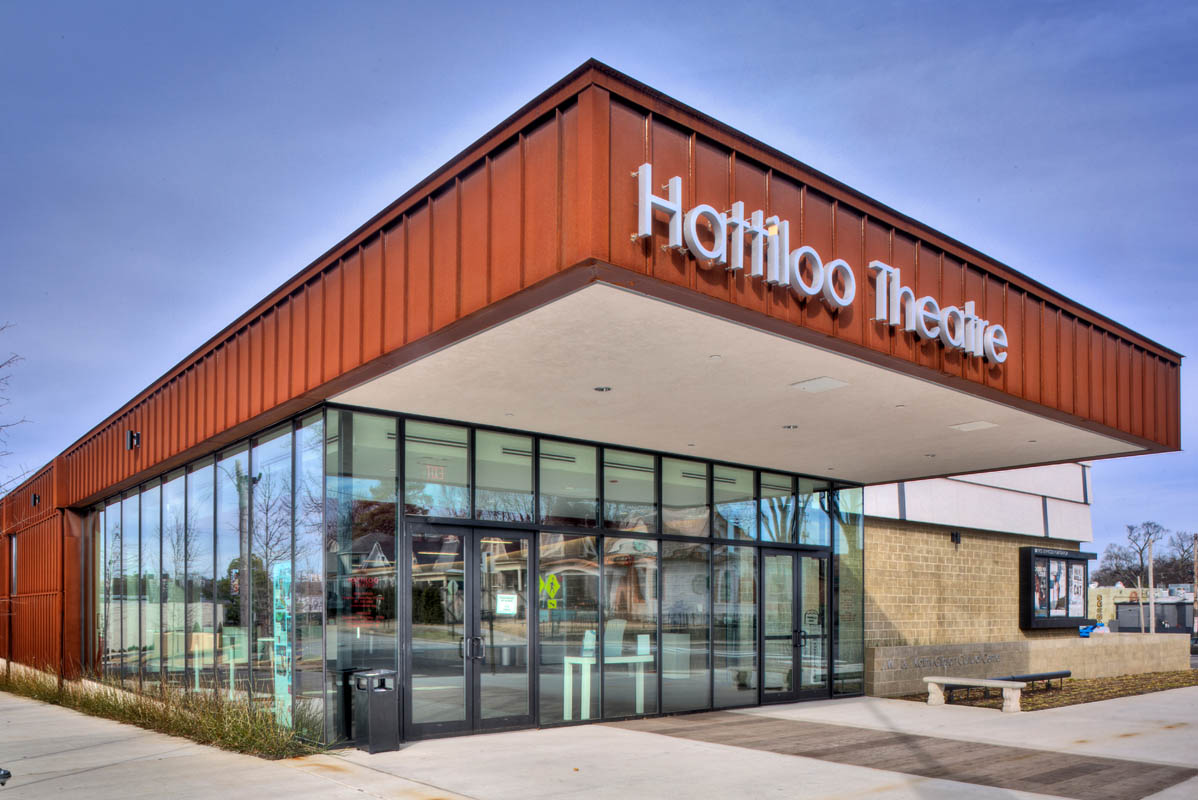
A major milestone came in June 2014 following a 4.3 million dollar capital campaign. Hattiloo relocated from its original 75-seat theatre to a newly constructed, state-of-the-art facility in Overton Square. The organization achieved this expansion debt-free and established a 500,000 dollar endowment, strengthening its long-term sustainability as a nonprofit theatre.
2016
Momentum continued with a second capital campaign in 2016, which funded the creation of a dedicated Development Center. That same year, Hattiloo entered into a 1 dollar per year lease agreement with the City of Memphis and transformed an 8,000-square-foot former Head Start school into the Hattiloo Technical Theatre Center, expanding its capacity for production, training, and community engagement.
2017
In 2017, Hattiloo further invested in artist support by purchasing and opening HattiHouse, a residential space for visiting artists and interns. This addition strengthened the theatre’s ability to attract national talent and deepen its artistic impact.
Today
Today, Hattiloo Theatre stands as the only freestanding Black repertory theatre in the region, serving audiences across five surrounding states. The organization has built a strong and growing regional audience, with significant attendance from outside Memphis. Hattiloo is also recognized for providing high-quality free programming and performances throughout the city, engaging more than 5,000 community members each year.